Concrete

Home / Σκυρόδεμα

Concrete: The Basis of Modern and Sustainable Construction

Concrete is the cornerstone of global reconstruction. It is a multi-faceted material that combines exceptional durability with architectural flexibility. At Kottis IKE, we offer concrete solutions that meet the strictest specifications of the Concrete Technology Regulation (CTR 2016) and its developments.

Why choose Concrete?

  • Unparalleled Durability: Designed to withstand extreme mechanical stress and environmental conditions.
  • Fire Safety & Protection: Naturally non-flammable material that ensures maximum shielding of any structure.
  • Low Maintenance Cost: Properly designed concrete structures require minimal intervention during their lifetime.

Our Services & Products

  1. Reinforced Concrete: The optimal solution for load-bearing structures (skeletons) of buildings, using high-quality steel.
  2. Green Concrete: We invest in Green Concrete, incorporating low carbon footprint technologies and environmentally friendly cements, implementing an Environmental Management System according to the standard ISO 14001. Read more
  3. Special Concretes: Production of self-compacting, fiber-reinforced or lightweight concrete for specialized architectural needs and insulation.
Our Commitment
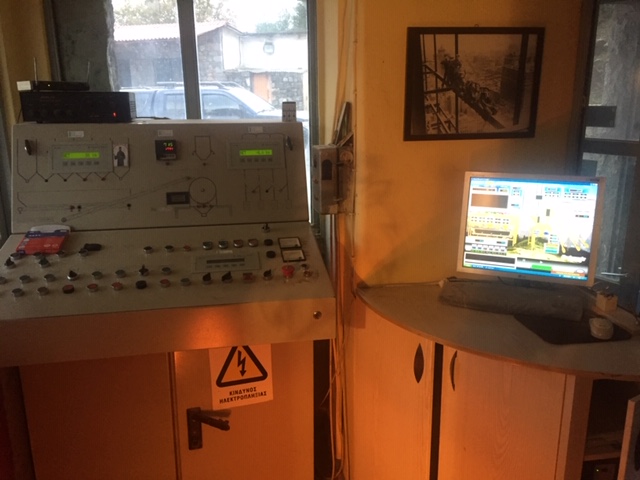
Driven by sustainability and innovation, we invest in digital quality control and real-time coagulation monitoring systems, ensuring that every cubic meter we deliver is fully consistent with your project design.

Concrete Categories

Concrete category C8/10, C12/15 or C16/20 X0 used in cases where there is no risk of corrosion of the reinforcement or chemical attack of the concrete mass.

The X0 applies to unreinforced concrete (without iron) and in structures located in permanently dry environment, as no protection from moisture or chemicals is required. It is the basic choice for cleaning concretes and fills, where the main role of the material is to fill space or create a flat surface rather than to bear large structural loads or resist environmental attack.

READ MORE

The carbonation is one of the main causes of corrosion of reinforced concrete. It is a chemical reaction where carbon dioxide (CO₂) from the atmosphere enters the pores of the concrete and reacts with calcium hydroxide, reducing its pH (from 12.5-13.5 to values ​​below 9). This drop in alkalinity destroys the protective layer of the steel, leading to oxidation (rust).

By investing in concrete with high resistance to carbonation, you ensure that the "skeleton" of your home will remain healthy, safe and unchanging over time.

READ MORE 

In a coastal environment, concrete faces the severe attack of chlorides (salts) and moisture, which are the "number one" enemies of reinforcement.

In areas close to the coast (even 1 km away), seawater droplets are carried by the air and settle on surfaces. The salts penetrate deep into the concrete and, once they reach the steel, cause rapid oxidation. This leads to cracks, delamination and serious static problems.

For maximum protection, we combine special concrete with increased reinforcement overlap and, where necessary, with epoxy paints or crystalline sealing additives.

READ MORE

There are environments where ordinary concrete is exposed to aggressive agents that can decompose its mass. From the sulfates of the subsoil and the groundwater, until the industrial waste and the chemical cleaners, the need for absolute tightness and chemical inertness is imperative.

Special concretes of this category ensure:

  • Absolute Watertightness: Through crystalline additives that seal every pore, preventing the penetration of dangerous liquids.
  • Chemical Resistance: Special compositions (e.g. with sulfate-resistant cement) that do not react with chemical compounds, preventing internal swelling and disintegration.
  • Foundation & Infrastructure Protection: Ideal solution for building foundations on heavy soils, wastewater treatment tanks and industrial floors.

READ MORE

In industrial environments or soils with high chemical activity, ordinary concrete decomposes. Special concretes of this category are designed to withstand sulfates, acids, groundwater and industrial waste.

What we ensure:

  • Chemical Inertness: Use of special cements (SR) that do not react with corrosive elements.
  • Absolute Watertightness: Sealing pores to prevent penetration of hazardous liquids.
  • Infrastructure Longevity: Maximum protection for foundations, tanks and industrial floors.

READ MORE

The Low Temperature Resistant Concrete It is specially designed to withstand frost heave and freezing-thawing cycles, which cause cracks and disintegration in common concrete.

When water freezes inside the pores of concrete, it expands and creates internal stresses that destroy it. Our special formulations prevent this deterioration through:

  • Additional Air Conditioners: They create billions of tiny air bubbles that act as "expansion tanks" for the ice, preventing cracking.
  • Coagulation Accelerators: They allow the concrete to quickly gain the required strength before the temperature drops to critical levels.
  • Low Absorbency: The dense structure limits the entry of moisture, and therefore the amount of water that can freeze inside.

Ideal for: Mountainous areas, cold rooms and outdoor floors exposed to extreme cold.

READ MORE

The Abrasion and Abrasion Resistant Concrete It is designed for surfaces that are subject to intense mechanical stress, constant traffic or friction from solid and liquid particles.

Maximum Resistance to Mechanical Stress: In places such as industrial floors, ports, road networks or tanks, the concrete surface gradually wears away, creating dust and cracks.

Our special formulations address wear and tear through:
  • High Surface Hardness: Use of hard aggregates (e.g. quartz, corundum) and special surface hardeners.
  • Fiber reinforcement: Addition of fibers that enhance the consistency of the mixture and prevent the formation of microcracks.
  • Dense Microstructure: Use of silica microcement that increases cohesion and abrasion resistance.

READ MORE

"Comprehensive Concreting Services: Quality That Stands the Test of Time"

Exhibition Categories: 

  • C8/10 X0: It is applied exclusively in unreinforced structures and secondary works, with its main use as a cleaning concrete in foundations. Due to its low strength and lack of reinforcement, it does not require environmental protection (X0), functioning mainly as an auxiliary material for smoothing surfaces, filling floors or encasing pipes and curbs.
  • C12/15 X0: It is applied exclusively in unreinforced structures and secondary works, with its main use as a cleaning concrete (gro-concrete) in foundations. Due to its low strength and lack of reinforcement, it does not require environmental protection (X0), functioning mainly as an auxiliary material for smoothing surfaces, filling floors or encasing pipes and curbs.
  • C16/20 X0: It is applied in unreinforced concrete and auxiliary works, functioning mainly as a cleaning concrete or material for filling floors and slopes. Due to its low strength and the absence of reinforcement, it is classified in category X0, as it does not require protection from environmental factors, ensuring an economical solution for filling spaces and static support of secondary elements.

READ MORE

The carbonation is one of the main causes of corrosion of reinforced concrete. It is a chemical reaction where carbon dioxide (CO₂) from the atmosphere enters the pores of the concrete and reacts with calcium hydroxide, reducing its pH (from 12.5-13.5 to values ​​below 9). This drop in alkalinity destroys the protective layer of the steel, leading to oxidation (rust).

By investing in concrete with high resistance to carbonation, you ensure that the "skeleton" of your home will remain healthy, safe and unchanging over time.

Exhibition Categories:

    • C20/25 XC1: It is applied to columns, beams and slabs inside houses. Foundations in non-aggressive soils without humidity changes.
    • C25-30 XC2: It is mainly applied to the load-bearing structure of buildings (columns, beams, slabs) and to foundations or basement walls that are in constant contact with moisture or wet soil.
    • C25/30 XC3:  It is applied to exterior elements protected from rain (e.g. under sheds, balconies) or in interior spaces with moderate to high humidity, such as bathrooms and kitchens.
    • C30/37 XC4:  It is applied to exterior surfaces directly exposed to rain, such as facades, balconies and exterior walls, as well as to load-bearing elements of high demands (columns, slabs) of large structures.

Σε ένα παραθαλάσσιο περιβάλλον, το σκυρόδεμα αντιμετωπίζει τη δριμεία επίθεση των χλωριόντων (αλάτων) και της υγρασίας, που αποτελούν τους "νούμερο ένα" εχθρούς του οπλισμού.

In areas close to the coast (even 1 km away), seawater droplets are carried by the air and settle on surfaces. The salts penetrate deep into the concrete and, once they reach the steel, cause rapid oxidation. This leads to cracks, delamination and serious static problems.

For maximum protection, we combine special concrete with increased reinforcement overlap and, where necessary, with epoxy paints or crystalline sealing additives.

Exhibition Categories:

  • C25/30 XS1: εφαρμόζεται σε παραθαλάσσιες κατασκευές που εκτίθενται στον αλατούχο αέρα αλλά όχι σε άμεση επαφή ή βύθιση σε θαλασσινό νερό. Χρησιμοποιείται σε κολώνες, τοιχία και προσόψεις κτιρίων κοντά στην ακτή, καθώς η κατηγορία XS1 προστατεύει τον οπλισμό από τη διάβρωση των χλωριόντων, εξασφαλίζοντας μακροζωία στην κατασκευή.
  • C25/30 XS2: It is applied to marine projects that are permanently submerged in seawater, such as pier sections, underwater piers and saltwater tanks. The XS2 category (in combination with the C25/30 strength) ensures the low permeability of the concrete, which is necessary to prevent corrosion of the reinforcement by saltwater chlorides when the element is in permanent contact with it.
  • C30/37 XS3: It is applied to marine structures within the tidal zone, such as docks, piers and bridge bases, where the concrete is repeatedly wetted by seawater and then dried. The high strength C30/37 and the special XS3 composition are necessary to resist chloride corrosion which is most intense precisely in this moisture-oxygen exchange zone.
  • C30/37 XS1: It is applied exclusively to coastal structures that are exposed to salt air (airborne chlorides), but are not in direct contact with seawater. It is used in the load-bearing structure and facades of buildings that are up to a few hundred meters from the coast, as its dense composition prevents salt from corroding the steel reinforcement.
  • C30/37 XS2: It is applied to marine projects that are permanently submerged or in constant contact with seawater, such as pier sections, underwater bridge piers and port facility walls. The C30/37 strength and XS2 category ensure the necessary low permeability of the concrete to prevent rapid corrosion of the reinforcement by saltwater chlorides.
  • C30/37 XS3:  It is applied to marine structures within the tidal zone, such as docks, piers and bridge bases, where the concrete is repeatedly wetted by seawater and then dried. The high strength C30/37 and the special XS3 composition are necessary to resist chloride corrosion which is most intense precisely in this moisture-oxygen exchange zone.

There are environments where ordinary concrete is exposed to aggressive agents that can decompose its mass. From the sulfates of the subsoil and the groundwater, until the industrial waste and the chemical cleaners, the need for absolute tightness and chemical inertness is imperative.

Special concretes of this category ensure:

  • Absolute Watertightness:Through crystalline additives that seal every pore, preventing the penetration of dangerous liquids.
  • Chemical Resistance:Special compositions (e.g. with sulfate-resistant cement) that do not react with chemical compounds, preventing internal swelling and disintegration.
  • Foundation & Infrastructure Protection:Ideal solution for building foundations on heavy soils, wastewater treatment tanks and industrial floors.

The result: Maximum protection of the structural integrity of your project against any type of chemical corrosion, ensuring its longevity under any conditions.

Exhibition Categories: 

  • C30/37 XD1: Εφαρμόζεται κυρίως σε οδικά έργα και χώρους στάθμευσης αυτοκινήτων σε περιοχές με χαμηλές θερμοκρασίες, καθώς προστατεύει τον οπλισμό από τη διάβρωση που προκαλούν τα αντιπαγωτικά άλατα (χλωριόντα). Η υψηλή αντοχή C30/37 και η χαμηλή διαπερατότητα της κατηγορίας XD1 διασφαλίζουν ότι τα χημικά που μεταφέρονται από το οδικό δίκτυο ή τον αέρα δεν θα εισχωρήσουν στο σκυρόδεμα για να καταστρέψουν τον χάλυβα.
  • C35/45 XD2: Εφαρμόζεται σε έργα που έχουν μόνιμη επαφή με χλωριόντα (όπως άλατα αποπάγωσης σε υγρή μορφή ή βιομηχανικά χημικά), αλλά όχι με θαλασσινό νερό. Χρησιμοποιείται σε βιομηχανικά δάπεδα, δεξαμενές χημικών και σημεία γεφυρών όπου συσσωρεύεται μόνιμα αλατούχο νερό. Η πολύ υψηλή αντοχή C35/45 εξασφαλίζει εξαιρετικά χαμηλή διαπερατότητα, η οποία είναι απαραίτητη για να αντέχει στη συνεχή διείσδυση των χλωριόντων και να προστατεύει τον οπλισμό από τη διάβρωση.
  • C35/45 XD3: Εφαρμόζεται σε έργα υποδομής υψηλών απαιτήσεων, όπως καταστρώματα γεφυρών, ράμπες πολυώροφων γκαράζ και βιομηχανικά δάπεδα, που εκτίθενται σε εναλλασσόμενη υγρασία και συνεχή δράση αντιπαγωτικών αλάτων. Η πολύ υψηλή αντοχή C35/45 εξασφαλίζει εξαιρετικά χαμηλή διαπερατότητα, η οποία είναι απαραίτητη για να εμποδίσει τη γρήγορη διείσδυση των χλωριόντων στον οπλισμό σε συνθήκες που το σκυρόδεμα βρέχεται και στεγνώνει συνεχώς.

In industrial environments or soils with high chemical activity, ordinary concrete decomposes. Special concretes of this category are designed to withstand sulfates, acids, groundwater and industrial waste.

What we ensure:

  • Chemical Inertness: Use of special cements (SR) that do not react with corrosive elements.
  • Absolute Watertightness: Sealing pores to prevent penetration of hazardous liquids.
  • Infrastructure Longevity: Maximum protection for foundations, tanks and industrial floors.

The result: An armored construction that remains unchanged even in the most extreme chemical conditions.

Exhibition Categories: 

  • C30/37 XA1: Εφαρμόζεται σε θεμελιώσεις και τεχνικά έργα που βρίσκονται σε περιβάλλον με ασθενή χημική διάβρωση, όπως εδάφη με θειικά άλατα ή εγκαταστάσεις λυμάτων. Η αντοχή C28/35 σε συνδυασμό με την κατηγορία XA1 εξασφαλίζει ότι το σκυρόδεμα έχει την απαραίτητη πυκνότητα και σύνθεση (συχνά με ειδικό τσιμέντο) για να ανθίσταται στη χημική αποσύνθεση της μάζας του και να προστατεύει τον οπλισμό σε βάθος χρόνου.
  • C30/37 XA2: Εφαρμόζεται σε θεμελιώσεις και βιομηχανικά έργα που έρχονται σε επαφή με μέτρια χημική διάβρωση, όπως εδάφη με υψηλές συγκεντρώσεις θειικών αλάτων ή εγκαταστάσεις βιολογικών καθαρισμών. Η αυξημένη αντοχή C30/37 και η ειδική σύνθεση XA2 (με χρήση εξειδικευμένου τσιμέντου ανθεκτικού στα θειικά, π.χ. CEM III) είναι απαραίτητες για να διασφαλίσουν τη μακροχρόνια αντοχή της μάζας του σκυροδέματος έναντι της χημικής αποσύνθεσης
  • C35/45 XA3: Εφαρμόζεται σε βιομηχανικά έργα και θεμελιώσεις που εκτίθενται σε ισχυρή χημική διάβρωση, όπως δεξαμενές ισχυρών χημικών, σημεία βιολογικών καθαρισμών με επιθετικά λύματα ή εδάφη με ακραία επίπεδα θειικών αλάτων. Η πολύ υψηλή αντοχή C35/45 και η κατηγορία XA3 απαιτούν τη χρήση εξειδικευμένων τύπων τσιμέντου (όπως CEM III ή CEM V) και χαμηλού λόγου νερού προς τσιμέντο, ώστε να διασφαλιστεί η μακροχρόνια ακεραιότητα της μάζας του σκυροδέματος έναντι της χημικής αποσύνθεσης

The Low Temperature Resistant Concrete It is specially designed to withstand frost heave and freezing-thawing cycles, which cause cracks and disintegration in common concrete.

When water freezes inside the pores of concrete, it expands and creates internal stresses that destroy it. Our special formulations prevent this deterioration through:

  • Additional Air Conditioners:They create billions of tiny air bubbles that act as "expansion tanks" for the ice, preventing cracking.
  • Coagulation Accelerators:They allow the concrete to quickly gain the required strength before the temperature drops to critical levels.
  • Low Absorbency:The dense structure limits the entry of moisture, and therefore the amount of water that can freeze inside.

Ideal for: Mountainous areas, cold rooms and outdoor floors exposed to extreme cold.

The result: Κατασκευές που παραμένουν συμπαγείς και ασφαλείς, χωρίς ξεφλουδίσματα ή ρηγματώσεις, ακόμη και στις πιο χαμηλές θερμοκρασίες..

Exhibition Categories: 

  • C30/37 XF1: It is applied to exterior works in frosty areas, such as sidewalks, retaining walls and floors, where water freezes and thaws repeatedly, but de-icing salts are not used. The XF1 category (now called XΔ1) requires a specific resistance of the concrete to freeze-thaw cycles (usually with the use of an air-entraining agent) to avoid surface spalling, while the C30/37 strength meets increased static requirements.
  • C25/30 XF2: It is applied to exterior projects exposed to frost where anti-icing salts are used, such as sidewalks, curbs and road construction elements. Its composition includes special additives (aerating agents) that create tiny air bubbles in its mass, allowing water to expand when it freezes without crumbling the concrete, while at the same time its strength protects the reinforcement from the action of chemicals.
  • C25/30 XF3: It is applied to horizontal surfaces of road works (bridge decks, ramps, floors) in areas with severe frost, where large quantities of anti-freezing salts are used and the concrete is exposed to alternating wetting-drying. Its composition requires a high content of air-entraining agent to withstand intensive freeze-thaw cycles, while protecting the reinforcement from chloride corrosion.
  • C30/37 XF4: It is applied to horizontal surfaces of road works, bridges and industrial floors in areas with extreme frost, where the concrete is in constant contact with water and large quantities of anti-freezing salts. The very high strength C30/37 and the maximum durability class XF4 ensure the absolute protection of the concrete mass and reinforcement from the combined and destructive action of freeze-thaw cycles and chlorides.

The Abrasion and Abrasion Resistant Concrete It is designed for surfaces that are subject to intense mechanical stress, constant traffic or friction from solid and liquid particles.

Μέγιστη Αντοχή στη Μηχανική Καταπόνηση

Σε χώρους όπως βιομηχανικά δάπεδα, λιμάνια, οδικά δίκτυα ή δεξαμενές, η επιφάνεια του σκυροδέματος φθείρεται σταδιακά, δημιουργώντας σκόνη και ρωγμές. Οι ειδικές συνθέσεις μας αντιμετωπίζουν τη φθορά μέσω:

  • High Surface Hardness:Use of hard aggregates (e.g. quartz, corundum) and special surface hardeners.
  • Fiber reinforcement:Addition of fibers that enhance the consistency of the mixture and prevent the formation of microcracks.
  • Dense Microstructure:Use of silica microcement that increases cohesion and abrasion resistance.

Ideal for: Industrial areas, warehouses with vehicle traffic, parking, helipads and hydraulic works (e.g. dam spillways).

The result: Extremely durable surfaces that maintain their smoothness under the harshest conditions of use, drastically reducing maintenance costs and dust generation.

Exhibition Categories: 
  • C35/45 XM1: It is applied to industrial floors, warehouses and parking lots where very high static resistance (C35/45) and protection of the surface from moderate abrasion wear (XM1) are required at the same time. Its increased resistance ensures greater hardness and resistance of the surface to mechanical stress from vehicles and pedestrians, preventing premature "dusting" or wear.
  • C40/50 XM2: It is applied to industrial floors and infrastructure projects where required simultaneously extremely high static strength (C40/50) and surface protection from severe wear due to friction (XM2). The very high hardness and density of the concrete ensures resistance to heavy loads and continuous mechanical stress, preventing rapid wear from wheels and friction.
  • C50/60 XM3: It is applied in industrial floors, airports and infrastructure projects where extremely high static strength (C50/60) and maximum protection against extreme abrasion wear (XM3) are required at the same time. The top hardness and density of concrete in this category make it resistant to heavy loads and continuous, intense mechanical stress from hard wheels, tracks or abrasive materials.